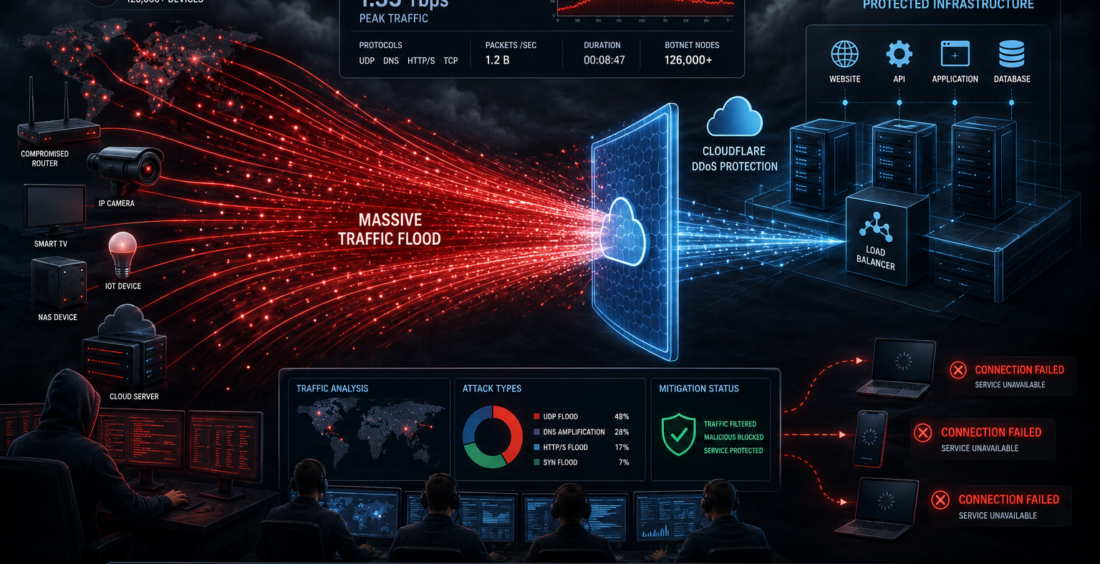
DDoS attacks remain one of the most direct ways to make an online service unavailable. Instead of stealing data, attackers overwhelm websites, APIs or networks with more traffic than they can handle. The idea is simple. The scale is not. Modern botnets can unite compromised routers, cameras and servers, then direct them at one target. That makes DDoS a serious
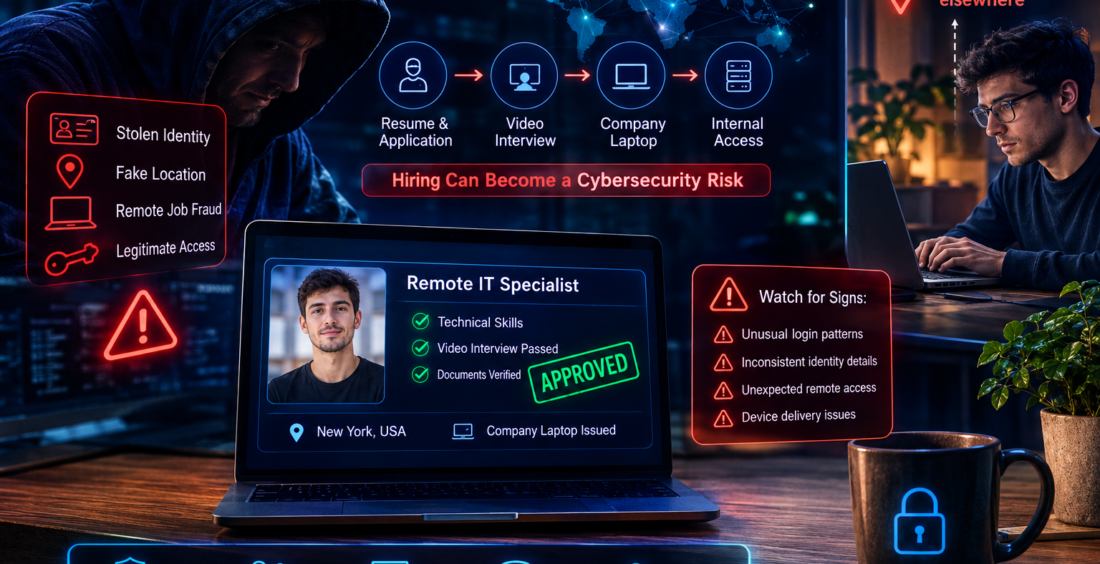
Fake remote IT workers are turning recruitment into a cybersecurity problem. An applicant may look qualified, pass technical interviews and appear to be working from the location listed on their resume. Behind the scenes, however, the identity, location or even the person doing the work may be different. The risk goes beyond hiring fraud. Once a fraudulent worker
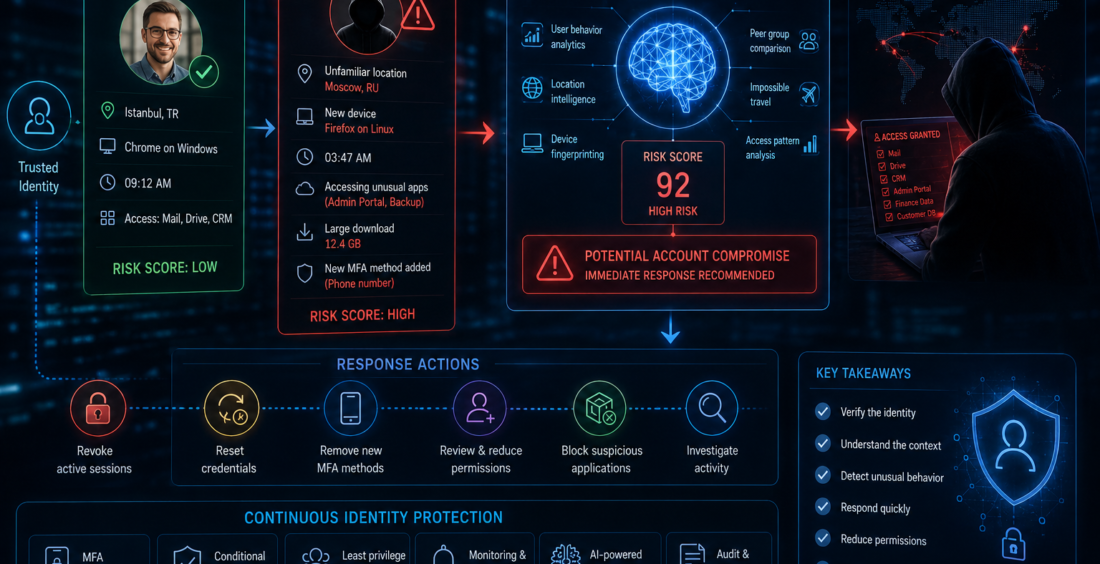
Identity threat detection and response is becoming a cybersecurity priority because attackers try to look like legitimate users. Instead of dropping malware, they may steal credentials, hijack a session or abuse an account that already has permission to reach systems. Once inside, their activity can blend into normal work. That creates a question for security teams: how do you