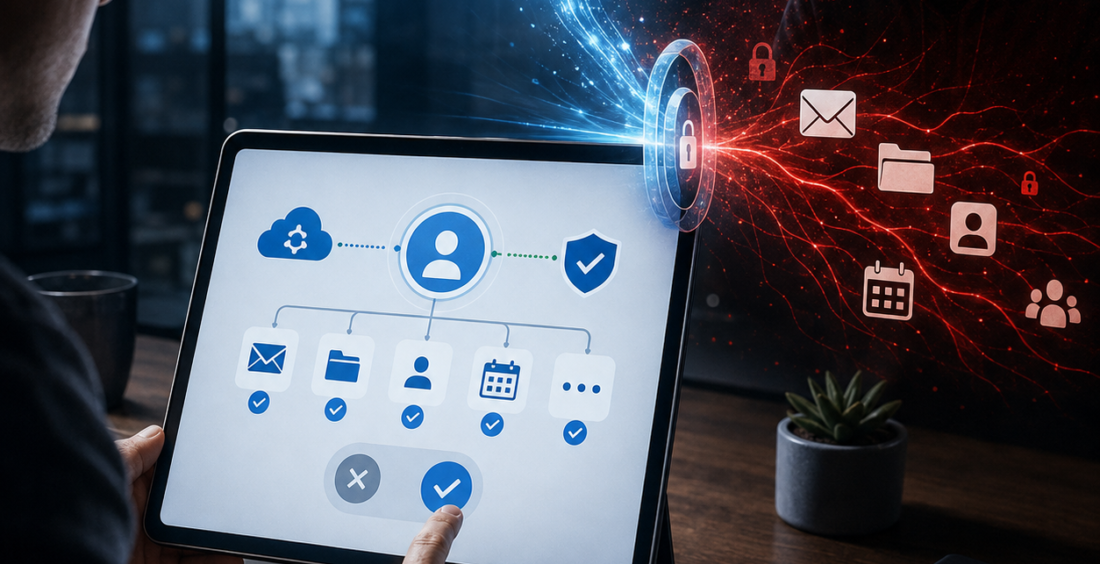
OAuth consent attacks are becoming a cybersecurity problem because they can make a malicious request look legitimate. Instead of sending someone to a fake login page, an attacker may abuse an authorization process and ask the victim to approve access to email, files, contacts or cloud data. The user may enter the correct password on the provider’s website

Deepfake impersonation is becoming a cybersecurity problem because attackers no longer need to rely on a badly written email or an unfamiliar phone call. With AI, they can copy a person’s voice, create video, and build messages that feel personal. A finance employee might receive a call that sounds like the CEO. A manager might join a video
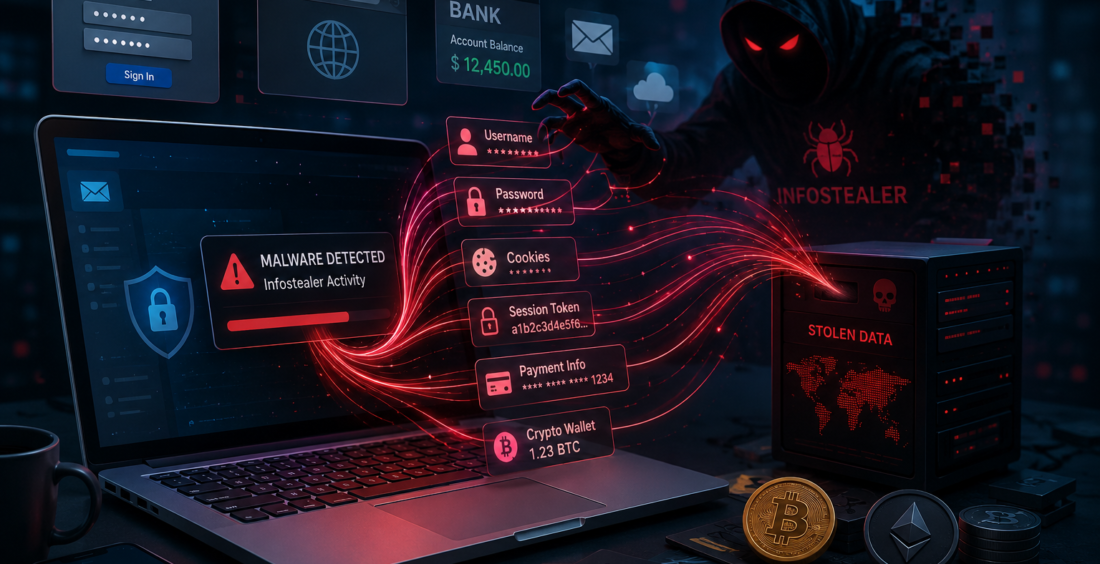
Infostealer malware is becoming a serious threat in modern cybersecurity. Unlike ransomware, it does not announce itself by locking files or flashing a demand on the screen. It tries to stay invisible. Its job is simple: steal useful information from a device and leave. That information can include passwords, browser cookies, session tokens, saved payment details, cryptocurrency wallets and