
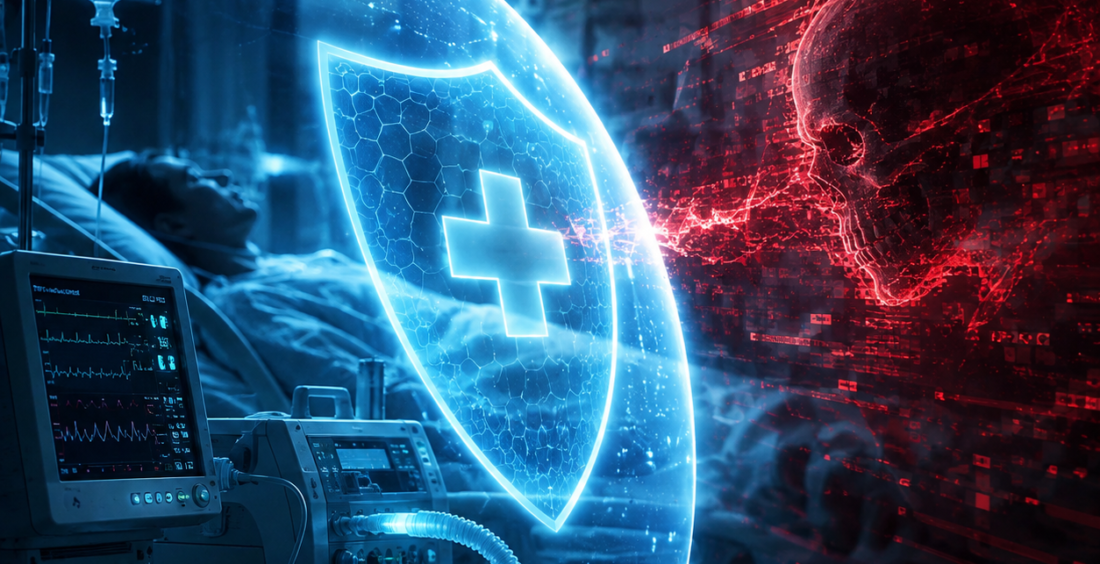
Medical device cybersecurity is becoming more important as hospitals and patients rely on connected technology for diagnosis, monitoring and treatment.
Modern medical devices can communicate with hospital networks, cloud services and other equipment. Those connections support better care, remote updates and faster access to information.
They also create cybersecurity risk.
A vulnerability in a medical device is different from a flaw in an ordinary office application because the consequences may involve clinical operations and patient safety, not only lost data.
Connected Devices Create New Possibilities and New Risk
Medical technology increasingly depends on software.
Infusion pumps, imaging systems, patient monitors and other devices may exchange information across networks or connect to external services.
That connectivity can improve care, but every connection needs to be understood and protected.
The FDA’s 2026 medical device cybersecurity guidance emphasizes secure design, cybersecurity risk management and resilience throughout the device lifecycle.
A Cybersecurity Issue Can Become a Safety Issue
Most businesses think about cyber incidents in terms of stolen information, downtime or financial loss.
Healthcare has another concern.
If a connected device becomes unavailable, behaves unexpectedly or cannot communicate with other systems, clinicians may need to change how they deliver care.
That does not mean every software vulnerability will harm a patient.
It means medical device risk needs to consider both cybersecurity and safety. A technical problem that would be inconvenient in another industry may have a different impact in a clinical environment.
Older Devices Can Be Difficult to Update
A device may still perform its clinical function well even when the software inside it is aging.
Security support can become a problem when operating systems reach end of life, vendors stop issuing updates or the device cannot be patched without interrupting care.
Replacing specialized equipment can also be expensive.
Healthcare organizations therefore need to know which devices are connected, what software they run and how long vendors plan to support them.
Manufacturers and Hospitals Share Responsibility
Medical device cybersecurity cannot be solved by one organization alone.
Manufacturers design the device and provide updates. Hospitals decide how devices are deployed, connected and monitored. IT teams manage networks, while clinicians depend on the equipment during daily care.
The FDA says manufacturers and healthcare delivery organizations both have roles in managing cybersecurity risks.
That shared responsibility works best when expectations are clear.
Hospitals should know how vendors communicate vulnerabilities, how patches are delivered and what temporary protections are recommended when an update cannot be installed immediately.
Network Segmentation Can Limit the Damage
A medical device does not always need unrestricted access to the entire hospital network.
Segmentation can separate devices based on their function and communication needs.
If one system is compromised, boundaries can make it harder for an attacker to move toward patient records, administrative systems or other clinical equipment.
Segmentation also gives security teams more control over which devices can communicate with outside services.
The idea is familiar across cybersecurity: a device should reach what it needs, not everything that happens to be connected nearby.
Patching Needs Clinical Planning
Installing security updates sounds simple until the device is supporting patient care.
Hospitals may need to coordinate with clinical teams, test updates and schedule maintenance without disrupting important services.
That makes patch management a shared operational process rather than an IT task performed in isolation.
Manufacturers can help by providing clear information about vulnerabilities, update requirements and any effect on device performance.
For serious vulnerabilities, organizations should also have temporary mitigations available when immediate patching is not possible.
Incident Response Should Include Medical Devices
Many incident response plans focus on laptops, servers and cloud accounts.
Connected medical devices need a place in those plans too.
Teams should know whom to contact if a device shows suspicious behavior, how it can be isolated safely and what clinical alternative exists if it must be taken offline.
The response should include cybersecurity staff, biomedical engineers, clinicians, risk teams and vendors when appropriate.
The FDA provides resources specifically addressing medical device cybersecurity preparedness and response.
Practice matters because decisions may need to be made quickly during a real incident.
Security Has to Last as Long as the Device
A medical device can remain useful for years after it enters a hospital.
Its cybersecurity plan needs to last just as long.
Manufacturers should design devices that can be updated and monitored. Healthcare organizations should maintain inventories, protect networks and understand when products are approaching the end of security support.
The key question is not simply, “Does this device still work?”
It is, “Can we continue to operate it safely as the cybersecurity environment changes?”
That question connects software security with patient safety, which is exactly where medical device cybersecurity belongs.
Contributed by GuestPosts.biz
Further Reading: Cyber Gear Thought Leadership Series







Comments are closed.