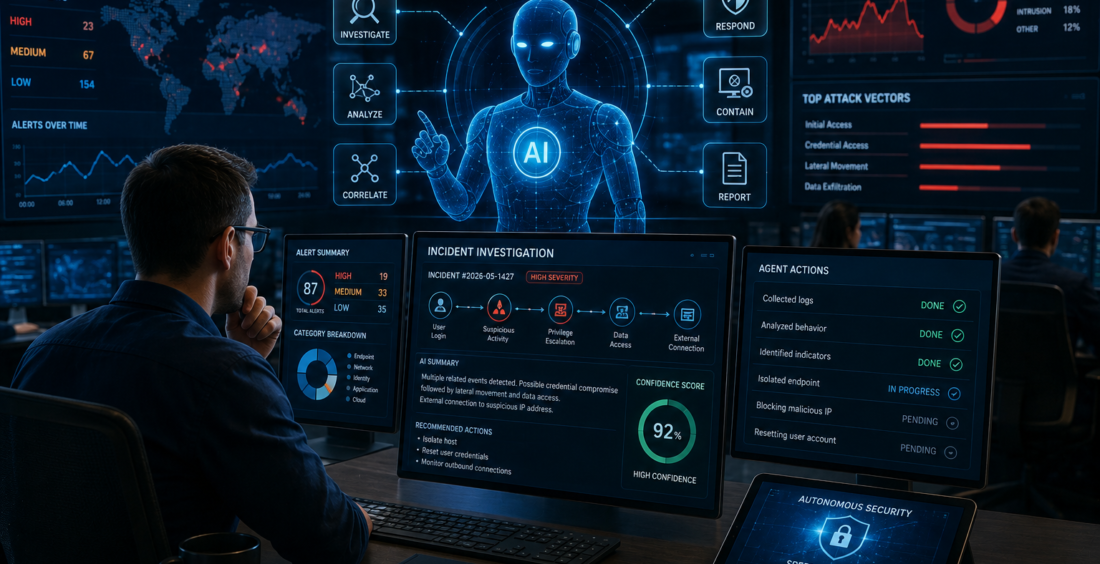
Autonomous cybersecurity is becoming a practical part of security operations. AI systems can investigate alerts, connect clues, summarize incidents and sometimes take defensive action. That can help teams facing thousands of alerts. But giving AI more freedom raises a question: how much should a machine do without a person approving every step? The answer will shape how companies use
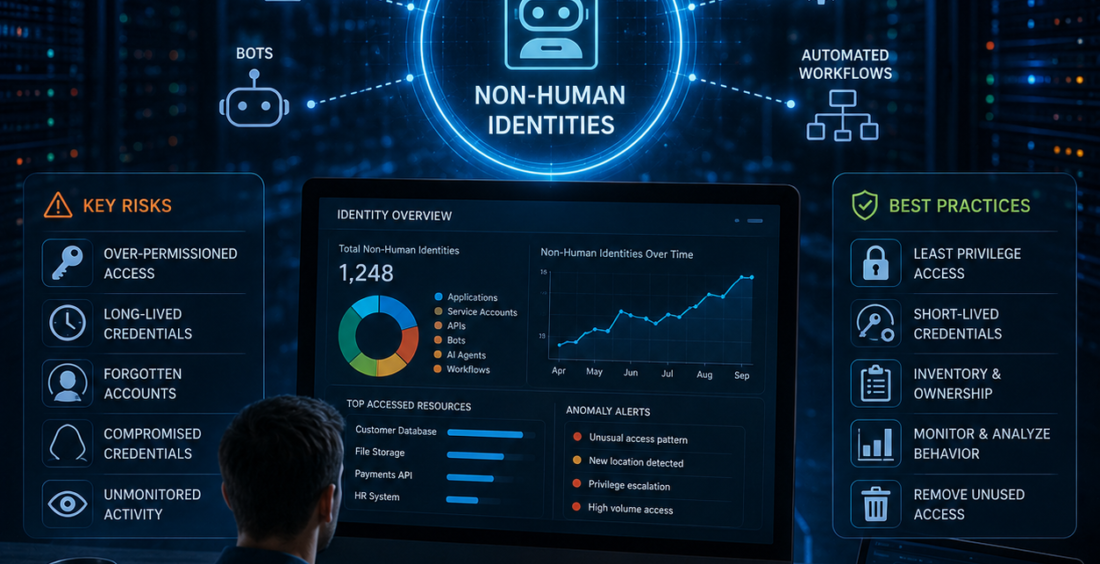
Non-human identities are becoming part of everyday business technology. Applications use service accounts, cloud workloads rely on credentials, APIs connect systems, and AI agents act on behalf of employees. The problem is scale. Many machine identities can reach sensitive systems without anyone noticing them during a normal workday. As automation grows, cybersecurity teams need to
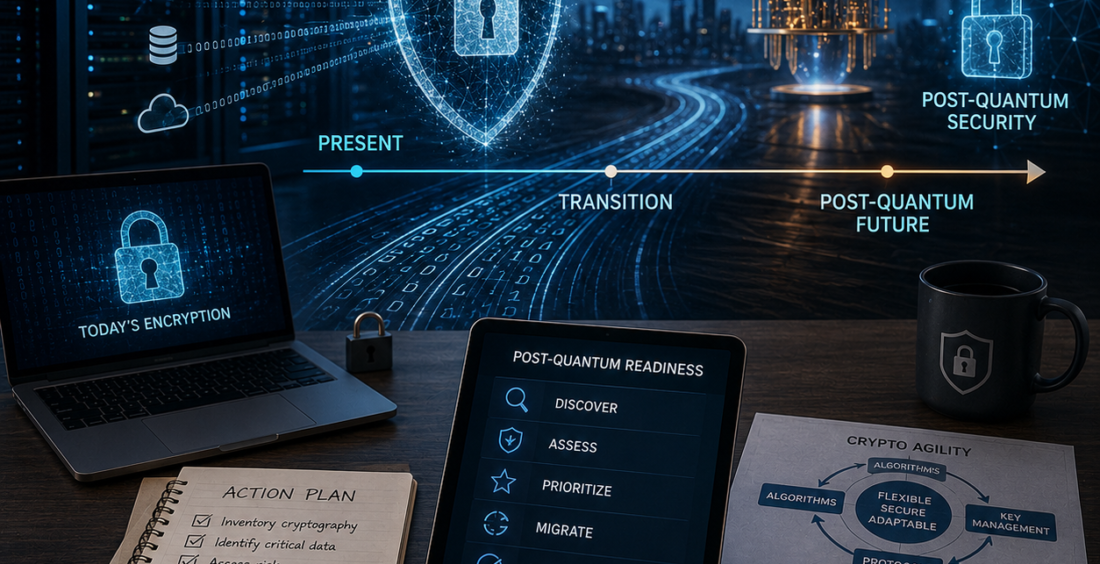
Post-quantum cybersecurity can sound like a problem for the distant future. Quantum computers are still developing, and most businesses are focused on threats they can see today, such as ransomware, phishing and stolen credentials. But encryption has a long memory. Data stolen today may still be valuable years from now. If attackers collect encrypted files now and store them,