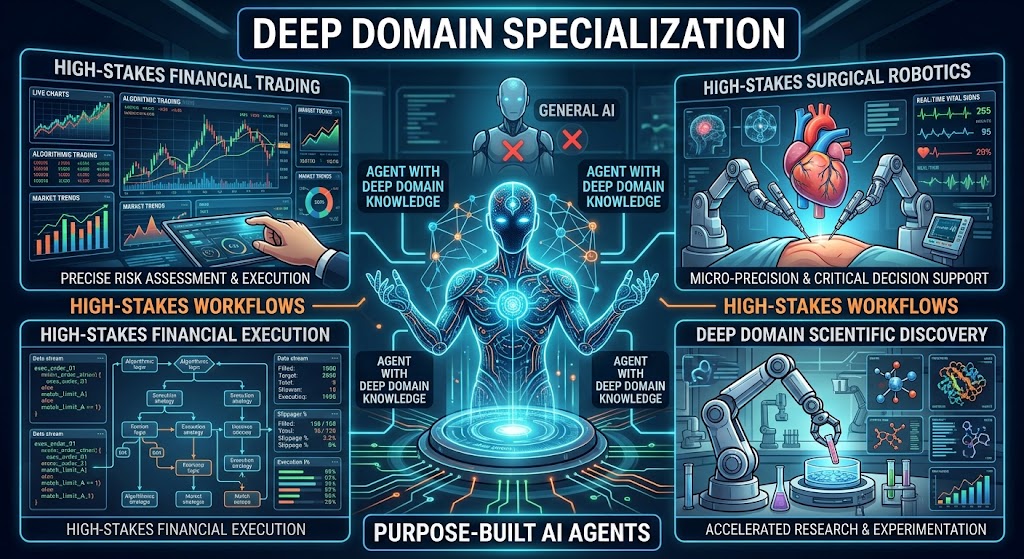
During the first wave of generative AI adoption, enterprise organizations focused primarily on generalist foundation models – which have broad language understanding and can engage in free-form writing and conversations. Yet, in regulated industries, large language models that lack precision, proper terminology, and logical rigidity often hallucinate, leading to erroneous output. Specialized agents working in a particular domain
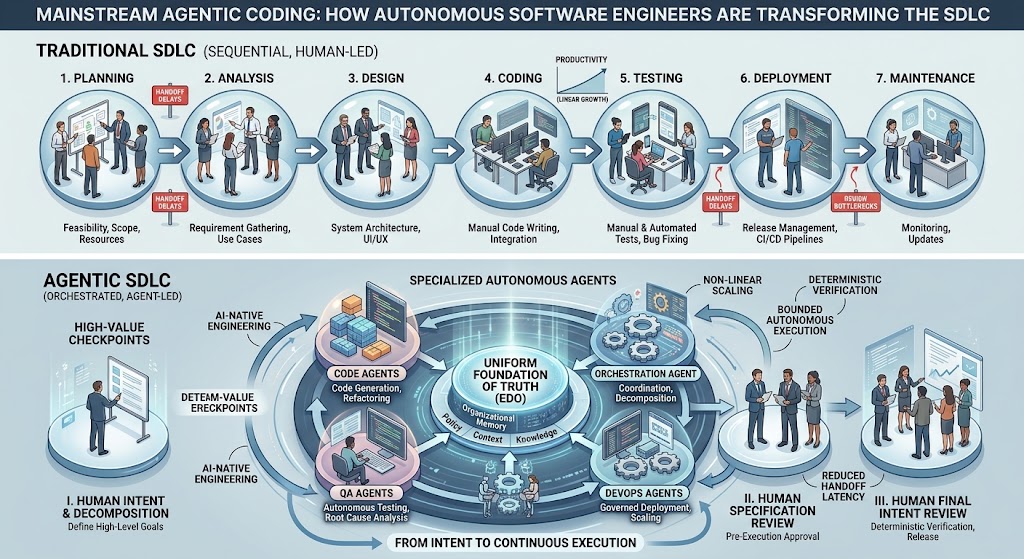
Software development was among the first fields to be transformed by modern generative AI. The earliest code completion tools were contextual assistants that worked inline within a developer’s IDE. These tools did not replace human programmers but rather accelerated day-to-day boilerplate coding tasks. A developer still had to manually traverse repository structures, debug runtime exceptions, author integration test
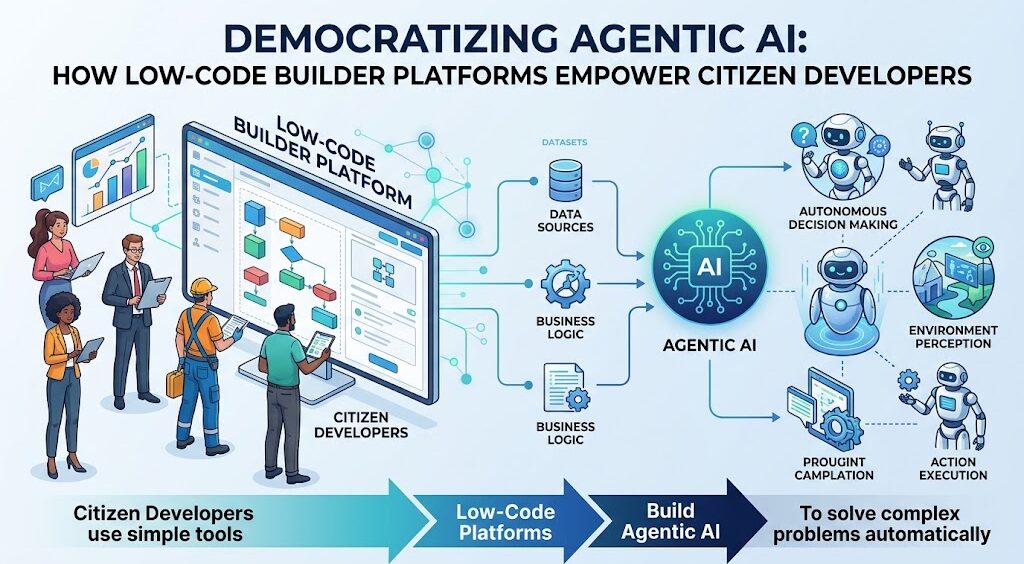
In the early days of agentic AI, one had to have a team of software engineers to design a multi-agent system that would fulfill the use case. Developers had to write bespoke python or typescript code, design vector databases for retrieval-augmented generation (RAG), and implement state-of-the-art orchestration frameworks for managing transitions between states. Such technical complexity created intolerable delays for the line of business users who knew