
As enterprise AI agents evolve from assistants to autonomous actors that change software state, execute code, and make financial transactions, executive leadership must consider governance. Allowing software networks to self-govern provides enormous productivity gains, but carries substantial exposure: untrusted execution, exfiltration of contextual information, and accumulation of poor quality autonomous work, often called “workslop” in enterprise software
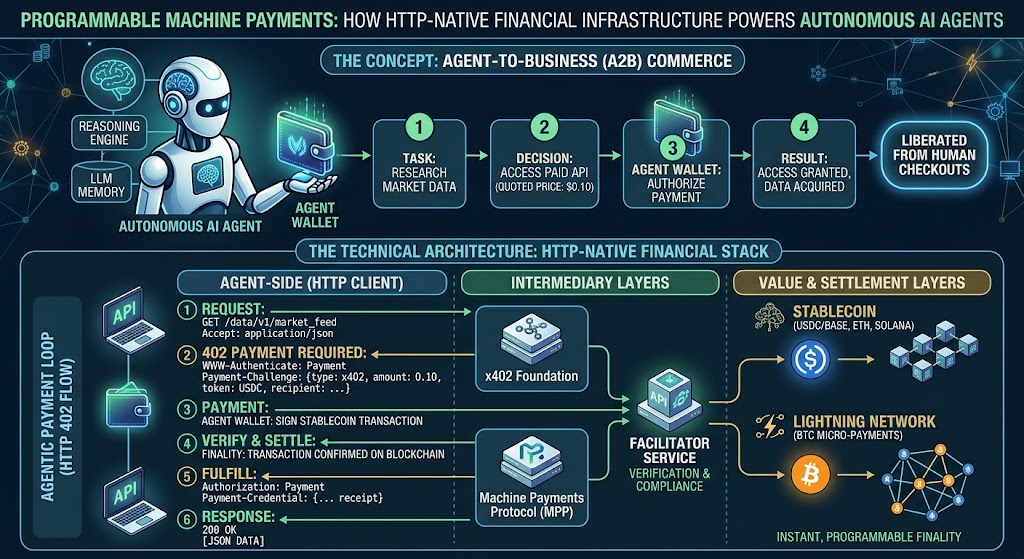
As autonomous AI agents take on more responsibilities across business workflows—renting cloud compute cycles, querying paid API endpoints, and procuring digital assets—they encounter a fundamental infrastructure hurdle: legacy financial systems. Traditional payment networks, such as credit cards, ACH transfers, and SWIFT bank wires, were built entirely for human interaction. They incur fixed processing surcharges, take days to
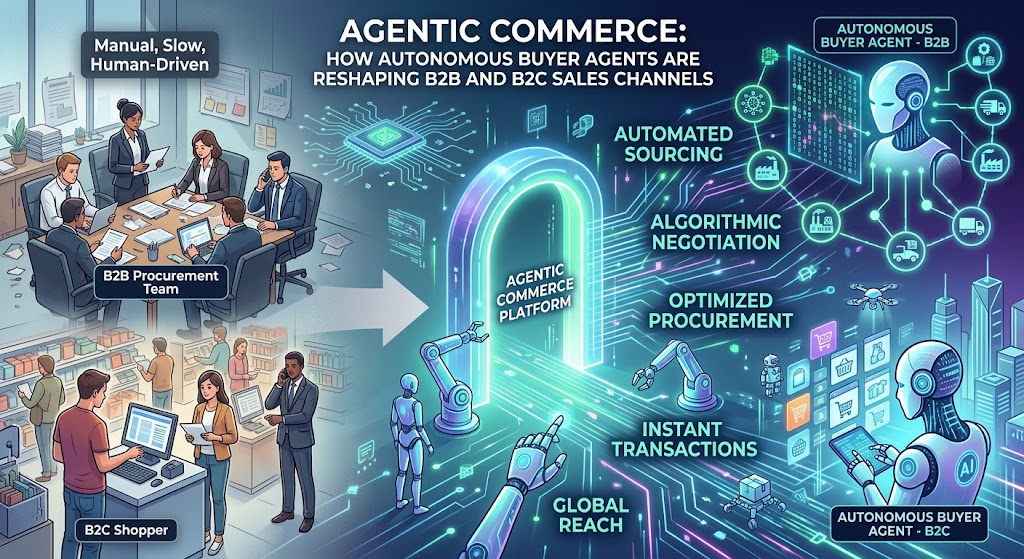
For nearly thirty years, digital commerce platforms were built for humans. Retailers and wholesale suppliers dedicated resources to building beautiful landing pages, writing engaging product descriptions, intuitive menu structures to drive the human eye toward a “checkout” button, and a myriad of other design choices to persuade the conscious mind. Search Engine Optimization (SEO) reigned supreme, as it provided digital